
Central London

Air Conditioning Fitters in Covent Garden

Covent Garden's flagship stores, Seven Dials boutiques, theatres, restaurants and converted market warehouses all need cooling that copes with crowds without spoiling the streetscape. We install, service and repair air conditioning across WC2, planned around pedestrian streets, performance times and two different councils.

  • WC2

Free quote in Covent Garden

Homes and businesses: tell us what you need and we’ll be in touch.

Shops, Stages and Hidden Flats Around the Piazza

Covent Garden grew up around the Piazza and its market building, which traded fruit, vegetables and flowers until the wholesale market moved out in the 1970s. The streets around it, from Long Acre and Floral Street to King Street, Henrietta Street and Maiden Lane, are lined with Georgian and Victorian buildings and former market warehouses, while Seven Dials to the north has its own star of streets around the sundial pillar. Today the area is one of London's busiest shopping and visitor destinations, open from morning until late every day.

The Royal Opera House, Theatre Royal Drury Lane and a cluster of West End theatres sit within or on the edge of the area, alongside dense rows of restaurants and bars. Shops range from global flagship stores around the Piazza to independent boutiques on Neal Street and in Seven Dials. Crowds, display lighting, cooking and constantly opening doors mean many premises have far higher cooling needs than their floor area suggests.

Above the shopfronts are offices, studios and a sizeable residential community, many in converted warehouses with high ceilings and exposed brick. The neighbourhood straddles Westminster and Camden, much of it lies within conservation areas, and large estate owners control many buildings around the Piazza. Air conditioning projects in Covent Garden have to balance capacity, quiet operation and discretion while working within pedestrian streets, landlord rules and theatre schedules.

Our services

Cooling Covent Garden's Retailers, Restaurants and Residents

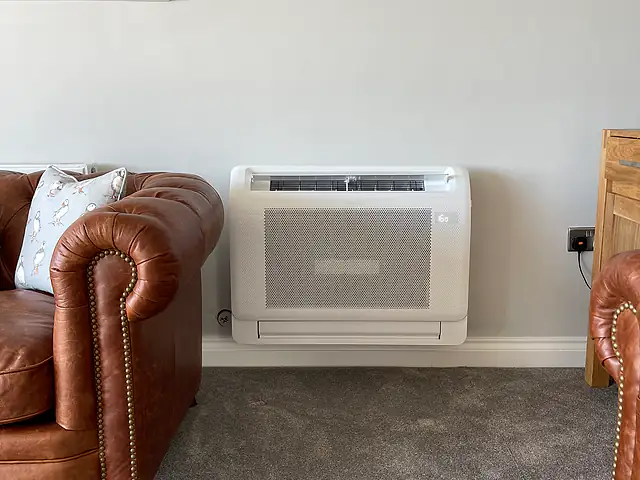
A floor-standing air conditioning console at skirting level, the kind of air conditioning we fit for homes in Covent Garden
A floor-standing air conditioning console at skirting level. An example of the air conditioning we install for homes in Covent Garden.

For homes

Covent Garden flats are often above shops and restaurants, with little or no outdoor space and street activity continuing late into the evening. A quiet split or multi-split heat pump keeps bedrooms and living spaces comfortable while windows stay closed against noise from busy streets and late-opening venues. In warehouse conversions with tall ceilings we size units for the full room volume. We help residents identify a suitable condenser position and prepare information for freeholders, landlords and, where needed, the council, and the same system provides efficient heating in winter.

Domestic air conditioning
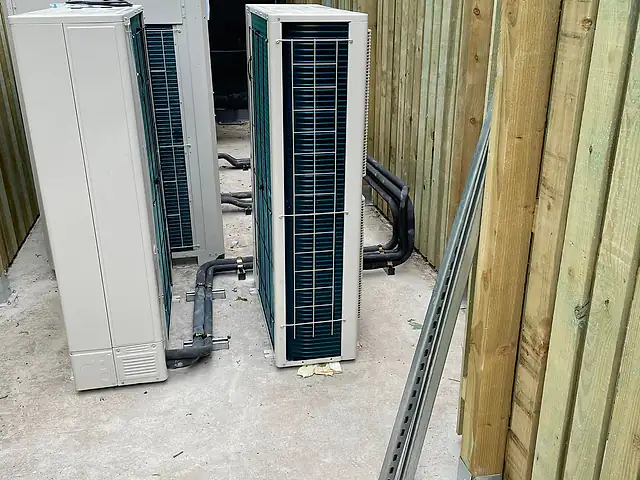

Large commercial outdoor air conditioning units in a plant area, the kind of commercial air conditioning we fit for businesses in Covent Garden
Large commercial outdoor air conditioning units in a plant area. An example of the commercial air conditioning we install for businesses in Covent Garden.

For businesses

We serve retailers, restaurants, bars, theatres, offices and studios across Covent Garden. Commercial installations here must work with estate landlords, conservation rules and trading hours that run seven days a week. We install and service split, cassette, ducted and VRF systems, schedule work outside opening and performance times, and provide dedicated cooling for server and equipment rooms. Planned maintenance keeps busy premises comfortable when footfall peaks and catches worn components before they fail during a heatwave or a long-running production.

Commercial air conditioning

Retail Cooling for Flagship Stores and Seven Dials Boutiques

Covent Garden shops face heavy footfall, bright display lighting and doors that stand open for much of the day. Retail cooling here has to be powerful enough for a Saturday afternoon crowd while staying invisible within carefully designed interiors.

Sizing for lighting, crowds and open doorways

Display lighting, customers and warm air entering through an open door all add heat. We calculate gains from the lighting scheme, expected peak occupancy and frontage glazing, then select cassettes or ducted units with enough capacity for busy periods. Inverter systems modulate down during quiet hours, so oversizing for peaks does not mean wasting energy for the rest of the day.

Air curtains at the shop entrance

An air curtain above the door reduces the amount of warm or cold outside air entering, helping the air conditioning keep up while the door is open. It also improves comfort for staff working near the entrance.

Keeping equipment out of the shop design

Retail designers rarely want visible units. Ducted systems hidden above a ceiling or within joinery, with linear grilles aligned to the shopfit, are the usual solution. Where there is no ceiling void, slim cassettes with neat fascias or high-level units concealed above display fixtures can work. Controls are placed behind the till or in a back office so customers cannot adjust them.

Coordinating with the shopfitter

Agreeing grille positions, access panels and condensate routes with the shopfitter before ceilings are built avoids later alterations and ensures filters can be reached for servicing without disturbing displays.

Dressing Rooms, Control Rooms and Bars Behind the Theatres

Theatre auditoriums usually depend on large central systems, but the rooms around them were often never cooled. Supplementary air conditioning in back-of-house spaces needs to be quiet, reliable and serviceable around a demanding performance schedule.

Supplementary cooling for backstage spaces

Dressing rooms full of lights and performers, sound and lighting control rooms packed with equipment, and front-of-house bars crowded at the interval can overheat even when the auditorium is comfortable. Individual split units or a multi-split system can address each space without changing the main plant. Indoor units are chosen for low sound levels, and outdoor units positioned so they are not heard on stage.

Working around performances and get-ins

Installation and maintenance have to fit between rehearsals, matinees, evening shows and get-ins. We agree access times with the theatre's technical or building management team, keep routes clear for scenery and equipment, and avoid noisy work during performances.

  • Plan around the production schedule
  • Agree access with technical and front-of-house teams
  • Keep fire routes and get-in doors clear
  • Test systems before the next performance

How Do You Get Equipment Into a Pedestrianised Covent Garden Street?

With planning and good timing. Much of Covent Garden restricts vehicles for most of the day, so logistics are decided as early as the equipment itself.

Using permitted vehicle access windows

Many pedestrian streets permit vehicles only during set hours, often early in the morning. Deliveries of outdoor units and materials are scheduled for those windows and moved into the building or a secure area before the streets fill. Where a vehicle cannot stop outside, equipment may need to be moved by trolley from the nearest permitted loading point.

Reaching roofs in tightly packed buildings

Narrow staircases, shopfloors that cannot be disrupted and roof hatches limit what can be carried. Smaller modular outdoor units can often be carried by hand, avoiding the need for a crane. Where a lift is unavoidable, it requires council permissions and coordination with the landlord, and is scheduled for times when the street is quiet.

Local properties

Market Warehouses, Seven Dials Units and Theatre Back-of-House

Flagship stores and Piazza retail

High-footfall shops with intense display lighting and open doorways need commercial cassettes or ducted systems sized for peak trading. Equipment is integrated into the shop design, and servicing happens before doors open or after closing.

Seven Dials and Neal Street boutiques

Smaller shop units with flats or offices above often have limited roof or rear space. Compact multi-split or single split systems with slim ducted indoor units suit these spaces, with condensers placed away from residents' windows.

Theatres and performance venues

Main auditoriums are usually served by central plant, but dressing rooms, control rooms, offices and bars often need supplementary cooling. Systems must be quiet enough not to be heard during performances.

Converted warehouse flats

Former market warehouses converted into apartments have tall ceilings, large windows and exposed brickwork. Wall-mounted, floor-standing or ducted heat pumps with neatly run pipework suit these interiors, subject to building and freeholder consent.

Before you install

Pedestrian Streets, Split Councils and Landlord Rules in WC2

This is general guidance only. Every building, lease and planning situation is different, so we’ll talk through yours at survey stage.

  1. 01The Piazza and surrounding streets mostly fall within Westminster, while Seven Dials and the streets around Neal Street and Endell Street are in Camden. Confirm which council is the planning authority for your address before preparing any application for external plant.
  2. 02Both councils have conservation areas covering much of the district, and many buildings are listed, so outdoor units are likely to need planning permission and possibly listed building consent.
  3. 03Many streets are pedestrianised with vehicle access only at set times, often early in the morning. Equipment deliveries and any lifting need to be planned around those windows and the signs for your street.
  4. 04Large estate owners manage significant parts of the area and typically require landlord approval for alterations, plant positions and working hours, alongside any council consent.
  5. 05Theatres, restaurants and shops trade into the evening and at weekends, so noisy work and planned maintenance must be scheduled carefully to avoid performances and peak trading.
Pricing explained

Elements That Drive a Covent Garden Quote

Covent Garden quotations are prepared after a survey and broken into equipment, installation, electrical work, access and consents. The main variables here are the cooling load of busy premises, the difficulty of delivering equipment through pedestrian streets and the hours when work can take place.

Peak-trading capacity for shops and restaurants

Premises sized for a crowded Saturday or a full dining room need more capacity than their floor area alone would suggest. Larger or additional indoor units, bigger pipework and potentially an upgraded electrical supply all affect the overall cost.

Concealment within shopfits and listed interiors

Ducted systems hidden in ceilings or joinery require more design and coordination than exposed units. In listed buildings, routes must avoid historic fabric, and any making good must match original materials.

Delivery restrictions and lifting

Restricted vehicle access, trolley moves from distant loading points and any crane lift with council permissions all add time and cost. Choosing equipment that can be carried by hand can reduce these costs.

Out-of-hours and performance-led scheduling

Work before opening, after closing or between performances affects labour costs. Agreeing the timetable at quotation stage keeps the price clear and avoids changes later.

Step by step

A Covent Garden Project From Survey to Sign-Off

  1. Survey around your trading pattern

    We visit at a quiet time, measure heat gains from lighting, occupancy and glazing, check ceiling voids, risers and roof access, and confirm whether your building falls under Westminster or Camden.

  2. Design, landlord and council approvals

    You receive layouts, equipment specifications and condenser sound data for your landlord or estate, and the information needed for any planning or listed building consent application to the relevant council.

  3. Installation timed to the street and the show

    Deliveries use permitted access windows, noisy work happens outside trading or performance times, and shopfloors, dressing rooms or flats are protected and cleaned each day.

  4. Commissioning and seasonal servicing

    We commission the system, set controls and schedules, and recommend a maintenance plan with visits timed ahead of the busiest trading and tourist periods.

FAQs

Answers for Covent Garden Shopkeepers and Residents

Can air conditioning be installed in a Covent Garden shop without closing?

Often, yes. Surveys can take place at quiet times, and much of the installation can be scheduled before opening, after closing or on quieter days. Indoor units and pipework can be installed in phases so trading continues. The exact approach depends on the building, the landlord's rules and permitted delivery times, but disruption to customers can usually be kept to a minimum.

How do I keep a Covent Garden flat cool in summer?

A split heat pump in the bedroom or living area is the most common solution. It lets you keep windows closed against noise from busy streets and late venues while keeping temperatures comfortable. Consent from your freeholder or landlord will usually be required, and planning permission may be needed for the outdoor unit, particularly in a listed building or conservation area.

Do theatres in Covent Garden need special air conditioning?

Auditoriums usually rely on large central systems, but theatres often need additional cooling for dressing rooms, control rooms, offices and bars. Supplementary systems must be quiet enough not to interfere with performances, and installation and maintenance are scheduled around rehearsals, matinees and get-ins. We agree timings with the theatre's technical or building management team.

Is my Seven Dials shop in Westminster or Camden?

Seven Dials and the streets around Neal Street and Endell Street generally fall within Camden, while the Piazza and areas towards the Strand are mostly in Westminster. Your business rates bill confirms which council covers your premises. The answer determines which planning authority and conservation area guidance apply to any external air conditioning equipment.

Can a converted warehouse flat have ducted air conditioning?

It can, though exposed brick and timber ceilings often leave little space for concealed ductwork. Where a bulkhead or dropped ceiling over a hallway or bathroom is possible, a ducted unit can serve adjoining rooms through grilles. Otherwise, wall-mounted or floor-standing units with neatly run pipework are a practical alternative that respects the character of the space.

How can I stop my shop getting hot with the door open?

Correct sizing, an air curtain at the entrance and well-maintained equipment make the biggest difference. Heat entering through an open door, combined with lighting and crowds, can overwhelm an undersized system. A survey checks whether your existing units have enough capacity, whether the outdoor unit is struggling in a hot position and whether servicing would restore performance.

Free quote

Start Your Covent Garden Air Conditioning Enquiry

Tell us about your home or business in Covent Garden and what you’d like to achieve, whether that’s cooling, heating or both. We’ll come back with advice and next steps.

  • Survey-led advice: recommendations based on your rooms, layout and how you use the space.
  • Clear written quotation: what’s included, the equipment proposed and the next steps.
  • No obligation: ask questions and take your time to decide.
  • CoverageHomes & businesses across Greater London

Request your free quote

A few details help us understand your property and come back with useful advice.

Fields marked * are required. We only use your details to respond to this enquiry.
Get a Free Quote

