
South London

Clapham Air Conditioning Installation and Servicing

Clapham is a place of converted flats, grand houses around the Common and a High Street that stays busy late into the night, and we install, service and repair air conditioning for residents and businesses on both sides of the borough boundary.

  • SW4
  • SW11

Free quote in Clapham

Homes and businesses: tell us what you need and we’ll be in touch.

Conversions, Georgian Terraces and a Late-Night High Street in SW4

Clapham is defined by its Common, and by the fact that the boundary between Lambeth and Wandsworth runs right across it. On the Lambeth side, SW4 takes in the Old Town, Clapham North and the High Street, where tall Victorian terraces and older Georgian houses have very often been split into two or three flats. The Old Town and the north side of the Common hold some of the oldest and most elegant houses in south London, many of them listed.

For residents, the most common problem is a top-floor or loft-level flat that overheats. Heat rises through the building and collects beneath a slate roof, and sash windows facing a busy road are often kept shut at night for noise and security. Whether the fix is simple depends less on equipment than on who owns the roof and rear walls: in a converted terrace that might be a freeholder, a management company or a share-of-freehold arrangement with the other flats.

Clapham's commercial heart is its evening economy. Bars, restaurants and clubs line the High Street and the roads off it, gyms and fitness studios are everywhere, and Northcote Road on the Wandsworth side adds restaurants and independent shops. These spaces need cooling sized for crowds rather than square metres, with outdoor plant positioned carefully because flats are almost always above or next door.

Our services

Flat Cooling and Venue Climate Control in Clapham

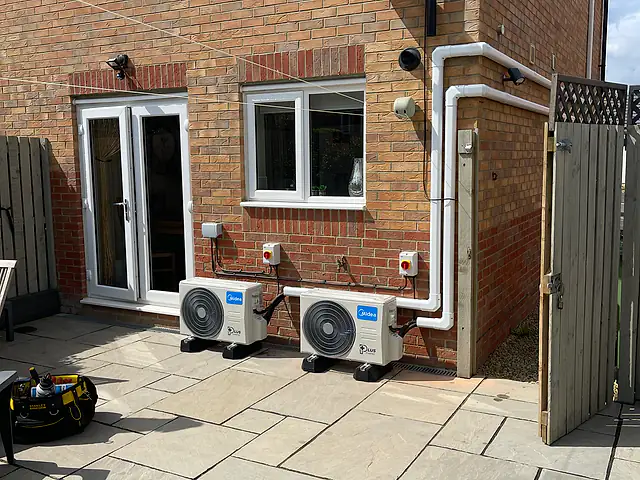
Two outdoor air conditioning units on a patio with neat trunking, the kind of air conditioning we fit for homes in Clapham
Two outdoor air conditioning units on a patio with neat trunking. An example of the air conditioning we install for homes in Clapham.

For homes

Domestic enquiries in Clapham mostly come from people in upper-floor flats who cannot sleep on warm nights, and from families on the Wandsworth side whose loft rooms and kitchen extensions overheat. For flats, one well-sized wall-mounted split usually does the job, and consent is the first thing we check. For houses, a multi-split serves several rooms from a single condenser. The same reverse-cycle system heats efficiently in winter, and we service and repair existing units too.

Domestic air conditioning
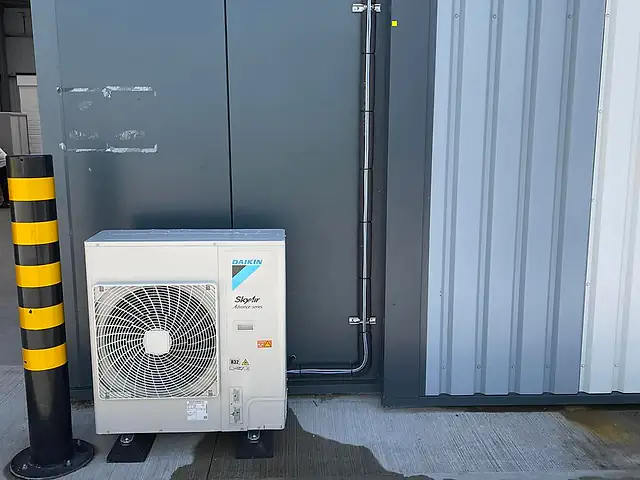

A commercial outdoor air conditioning unit on anti-vibration feet, the kind of commercial air conditioning we fit for businesses in Clapham
A commercial outdoor air conditioning unit on anti-vibration feet. An example of the commercial air conditioning we install for businesses in Clapham.

For businesses

Commercial work here revolves around hospitality and fitness. Bars and restaurants on and around the High Street, Venn Street and Northcote Road need systems that cope with full rooms and kitchen heat for long hours, while spin, yoga and HIIT studios add intense body heat and humidity. We also cool salons, clinics, offices and shops, and provide planned maintenance timed before the summer, when venues can least afford a breakdown.

Commercial air conditioning

Which Air Conditioning Suits a Top-Floor Conversion Flat in Clapham?

For most top-floor flats, a single wall-mounted split system in the bedroom is the most effective answer, sometimes with a second unit in the living room. The equipment is simple; the work lies in finding a condenser position the freeholder will accept and a pipe route that does not cross other flats.

Choosing Capacity for Rooms Beneath a Slate Roof

Bedrooms in the top storey of a Victorian terrace gain heat through the roof all afternoon and release it into the night. A 2.5 kW unit suits most double bedrooms; larger rooms with south-facing dormers or roof lights may need 3.5 kW. Inverter units run gently at low speed through the night, and many indoor units produce only around 20 to 25 dB(A) on their quietest setting, far quieter than a portable unit.

Condenser Positions in a Split Terrace

There are two typical options in a converted terrace, each with different consent and access implications. The right one depends on the shape of the rear of the building and on which flat owns which part of the roof or garden. Short pipe runs improve efficiency, so the nearest acceptable position usually wins, and we discuss the choices with you, and with the freeholder if helpful, before the design is finalised.

Flat Roof Over the Closet Wing

Often the most discreet choice for an upper flat, as it is out of sight from the street and close to the bedroom. The roof covering must be protected with a proper base, and access for future servicing needs to be agreed.

Back-Wall Brackets Above the Garden

Wall brackets suit buildings without a usable flat roof. They need a sound wall, rubber anti-vibration mounts and a position clear of the windows of flats below, with the garden owner's agreement where the unit overhangs their space.

Options for Tenants in Rented Flats

Clapham has a large rental market, and tenants cannot usually alter the building without the landlord's permission. If a landlord agrees, a split system can add appeal to the flat and can be approved with the freeholder in the usual way. If not, a portable unit with a window kit is the fallback, though it is noisier and less efficient. We can provide a written proposal for a landlord to consider.

Cooling Bars, Gyms and Restaurants Along Clapham High Street

Hospitality and fitness businesses face heat loads several times higher than offices of the same size. A full bar on a summer evening, a hot kitchen or a packed spin class can overwhelm undersized wall units, so commercial systems here are designed from occupancy and equipment upwards rather than from floor area.

Sizing for Crowds Rather Than Floor Area

Each person adds heat and moisture, so a bar's peak capacity is the starting point, alongside lighting, glass frontages and any open kitchen. Ceiling cassettes or ducted systems spread air evenly and avoid cold spots near the bar and hot corners by the door. Several indoor units on a shared outdoor unit, or VRF for larger venues, allow zones to be controlled independently as different areas fill up through the evening.

Humidity in Fitness Studios

Studios generate as much moisture as heat, and a system sized only for temperature can leave the room clammy halfway through a class. Units with strong moisture removal, a dry mode and adequate fresh-air ventilation keep sessions comfortable. Condensate volumes are high, so drainage must be reliable, often with pumps and overflow alarms to protect the premises below.

  • Size for the largest class, not the average
  • Allow for fresh air as well as cooling
  • Fit condensate pumps with alarms
  • Schedule filter cleaning more often than in offices

Keeping Plant Quiet for the Flats Above

Most High Street venues have flats overhead or behind, and condensers often run late into the evening. Low-noise outdoor units, anti-vibration mounts, acoustic screening where needed and night-time quiet modes all help. Positions are agreed with the landlord, and where planning permission is needed for external plant, the council may ask for noise information as part of the application.

Local properties

Clapham Homes and Premises, Each With a Different Cooling Puzzle

Top-floor flats in split terraces

Upper flats beneath the roof are usually the warmest homes in the street. A single 2.5 kW wall unit typically suits a bedroom, with the condenser on a rear flat roof over the closet wing or on a back-wall bracket, subject to the freeholder's consent and, in shared-freehold buildings, the other owners' agreement.

Garden flats and lower maisonettes

Lower flats with access to the garden have the easiest condenser positions, but heat is rarely their main issue except in glazed rear extensions. A wall unit above the extension doors, or a cassette in a flat roof void, usually handles the afternoon sun.

Georgian and early Victorian houses in the Old Town

Listed and conservation-area houses around the Old Town and the Common need concealed indoor units, carefully hidden pipe routes and condensers out of public view. Listed building consent is likely to be required for most alterations to listed homes, including drilling through historic walls.

Bars, gyms and restaurants on the High Street

Packed venues and fitness studios have high heat and moisture loads. Ceiling cassettes or ducted systems spread cooling evenly, with condensers on rear roofs or in yards chosen to keep noise away from the flats above.

Before you install

Two Councils, Shared Freeholds and Late-Night Neighbours

This is general guidance only. Every building, lease and planning situation is different, so we’ll talk through yours at survey stage.

  1. 01Check which council covers your address before asking about planning: most of SW4 is in Lambeth, while the streets west of the Common are in Wandsworth. Large parts of both sides are conservation areas, where street-facing units may need permission.
  2. 02In shared-freehold conversions, the other owners will usually need to agree to equipment on shared walls or roofs, even when you own a share of the freehold yourself. Get that agreement in writing before work is booked.
  3. 03Fixing brackets to, or drilling into, a wall shared with the house next door may fall under the Party Wall etc. Act 1996, which can require notice to the neighbour. Make sure you check before installation is scheduled.
  4. 04Venues on the High Street sit beneath and beside flats, so commercial condensers need low-noise models, anti-vibration mounts and positions agreed with the landlord. Noise from external plant is a frequent source of complaints to the council.
  5. 05Parking on most SW4 streets is tightly controlled, so a bay suspension or visitor permit should be arranged ahead of installation day to avoid delays and fines.
Pricing explained

Clapham Quotes Explained: Where Time and Materials Actually Go

Equipment is only part of the cost of an installation here. In converted flats, consent, access and concealed routes take time; in venues, out-of-hours working and larger plant dominate. A clear quote separates these elements so you can see exactly what you are paying for and compare like with like.

Reaching Upper-Floor Rear Walls

Fixing a condenser on a back wall three floors up may need a tower, a powered access platform or scaffold, especially where the rear garden belongs to another flat. Flat roofs reached through a dormer window are usually simpler and quicker.

Concealed Pipe Routes in Period Flats

Running pipework internally through cupboards, under floors or behind boxing takes longer than surface trunking but leaves a far better finish in period flats. Condensate pumps are often needed where gravity drainage to a waste pipe is impossible.

Out-of-Hours Work in Trading Venues

Venues usually want installation outside trading hours, which often means early mornings on weekdays. Larger systems may require roof access, crane lifts or night working, each of which adds to the programme.

Drawings for Freeholders and Consents

Drawings and specifications for freeholders, managing agents, listed building consent or planning applications take time to prepare. Allowing for this in the quote avoids surprises once the design is under way.

Step by step

How We Take a Clapham Job From Consent Check to Commissioning

  1. Survey and consent check

    We look at the room, roof and rear of the building, establish who owns what, and confirm which council covers your address. For venues we review occupancy, kitchen equipment and opening hours.

  2. Proposal you can share

    You receive a written design with unit positions, pipe routes and noise data that you can pass to your freeholder, the other owners or your landlord when seeking their agreement.

  3. Installation planned around neighbours

    We arrange parking, protect communal hallways and keep noisy drilling to sociable hours. A single flat installation usually takes a day, while venues are scheduled outside trading times.

  4. Commissioning and seasonal servicing

    Each system is pressure-tested, evacuated and run in both modes. Residents are shown the controls; commercial clients can set up planned maintenance ahead of the busy summer season.

FAQs

What Clapham Flat Owners and Venue Managers Want to Know

Which council handles planning for my Clapham home?

Clapham is split between Lambeth and Wandsworth, with the boundary running across the Common, and your council tax bill confirms which applies. That council's planning team can tell you whether your street is in a conservation area and whether a condenser in your chosen position may need permission, particularly if it would be visible from the road.

I own a share of the freehold. Do I still need consent from the other flats?

Very likely. In a share-of-freehold building, the freeholding company or the other owners usually need to approve alterations to shared parts, including external walls and roofs. Even where the lease is unclear, getting written agreement before installation avoids disputes later. A clear drawing showing the condenser and pipe route makes agreement much easier.

Is a split system better than a portable air conditioner for a top-floor flat?

In almost every case, yes. A split system is far quieter, much more efficient and does not need a window left open for an exhaust hose, which matters on busy roads. Portable units are useful for tenants who cannot make alterations, but they struggle to cool hot top-floor bedrooms on the warmest nights.

Can you cool a busy gym or studio in Clapham?

Yes. Fitness spaces have high heat and humidity loads from people and equipment, so systems are sized for peak class numbers, not floor area alone. Ceiling cassettes or ducted units give even coverage, and reliable drainage handles heavy condensate. Landlord consent is normally needed for outdoor plant, and noise near neighbouring flats is carefully considered.

Will the outdoor unit disturb neighbours in a terraced street?

Modern inverter condensers are relatively quiet, but terraced gardens and rear walls reflect sound. Siting the unit away from bedroom windows, using anti-vibration mounts and choosing a model with a low sound power rating all help. For commercial units running late into the evening, acoustic screening may also be appropriate.

Can air conditioning be fitted in a listed Georgian house near the Common?

It can, but listed building consent is likely to be required for most works, including drilling through historic walls and fixing external equipment. Concealed ducted units, floor consoles or carefully placed indoor units, with pipework following existing service routes, help minimise the impact. Discussing proposals with the council's conservation officer early is sensible.

Across the Common and Beyond: Areas Next to Clapham

Free quote

Ask for a Survey in Clapham Old Town, North or South

Tell us about your home or business in Clapham and what you’d like to achieve, whether that’s cooling, heating or both. We’ll come back with advice and next steps.

  • Survey-led advice: recommendations based on your rooms, layout and how you use the space.
  • Clear written quotation: what’s included, the equipment proposed and the next steps.
  • No obligation: ask questions and take your time to decide.
  • CoverageHomes & businesses across Greater London

Request your free quote

A few details help us understand your property and come back with useful advice.

Fields marked * are required. We only use your details to respond to this enquiry.
Get a Free Quote

