
North London

Tottenham Air Conditioning Installers

Tottenham stretches from Seven Sisters through Bruce Grove to the stadium and the new towers at Tottenham Hale, with industrial estates along the Lea. We install, service and repair air conditioning for its homes, apartments, shops and working premises.

  • N15
  • N17

Free quote in Tottenham

Homes and businesses: tell us what you need and we’ll be in touch.

From Seven Sisters to the Hale, a District of Contrasts

Tottenham has three very different cooling markets side by side. Most residents live in Victorian and Edwardian terraces across N15 and N17, many split into flats. Around Tottenham Hale, regeneration has added clusters of new apartment towers with big windows and airtight construction. And east of the railway, the industrial estates towards the River Lea are full of warehouses, workshops, food businesses and trade counters with offices and staff rooms that overheat under metal roofs.

The High Road follows the old Roman route north and is one of the area’s defining features, with Georgian and Victorian buildings, several of them listed, alongside long shopping parades and the stadium at its northern end. Conservation areas cover stretches of the High Road and some nearby streets, as well as the Tower Gardens estate, an early twentieth-century cottage estate of small terraced houses off White Hart Lane.

Good transport links, with the Victoria line at Seven Sisters and Tottenham Hale and Overground stations along the High Road, make the area popular with commuters and businesses alike. We cover the whole district, including Seven Sisters, Bruce Grove, Northumberland Park and the Hale, and recommend equipment that suits the building, the budget and the rules that apply to it.

Our services

Cooling for N15 and N17 Homes, Trade Units and Shops

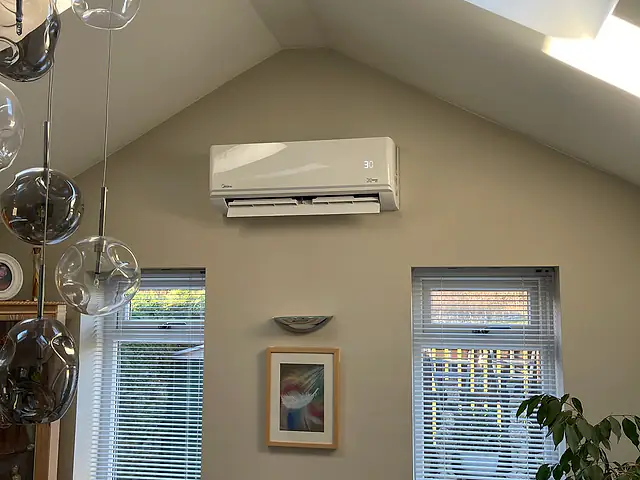
A wall-mounted split unit on the gable wall of a vaulted living room, the kind of air conditioning we fit for homes in Tottenham
A wall-mounted split unit on the gable wall of a vaulted living room. An example of the air conditioning we install for homes in Tottenham.

For homes

Tottenham households typically ask for cooling in bedrooms and living rooms, especially top-floor flats in converted terraces and new apartments that retain heat long into the evening. A single split system is often all that is needed, while a larger house may suit a multi-split serving several rooms from one outdoor unit. As heat pumps, these systems also provide efficient heating. We check lease and building rules first, install with care, explain how to get the best from the controls and offer annual servicing to keep units reliable.

Domestic air conditioning
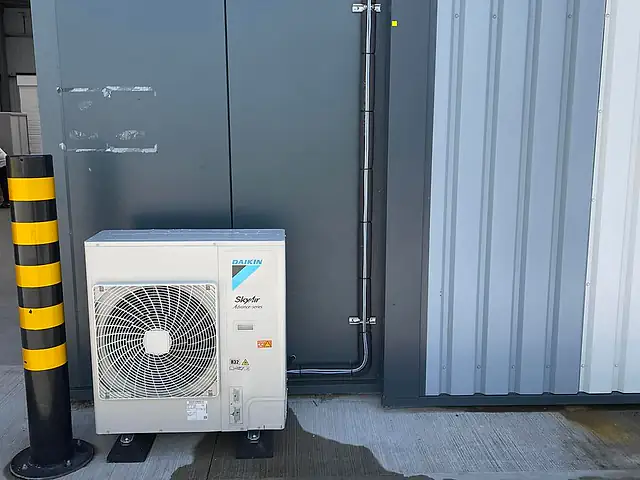

A commercial outdoor air conditioning unit on anti-vibration feet, the kind of commercial air conditioning we fit for businesses in Tottenham
A commercial outdoor air conditioning unit on anti-vibration feet. An example of the commercial air conditioning we install for businesses in Tottenham.

For businesses

Tottenham’s businesses range from shops, takeaways and cafés along the High Road and West Green Road to offices and studios in converted buildings, health and community facilities, places of worship and the warehouses, workshops and food businesses of the Lea Valley estates. We design, install and maintain air conditioning to suit each setting, from a single shop unit to staff offices and server rooms in industrial premises. Planned maintenance keeps systems efficient, and we repair existing equipment when problems arise.

Commercial air conditioning

Cooling Offices, Server Cupboards and Canteens in Lea Valley Units

Most warehouses and workshops on the estates towards the Lea do not need the whole building cooled. The problems are concentrated in a few small rooms: the mezzanine office, the trade counter, the staff room and the cupboard where the network equipment lives.

Mezzanine offices under metal roofs

Offices built on a mezzanine sit right under the roof, where hot air collects and thin metal sheeting radiates heat downwards on sunny days. Wall-mounted splits or a cassette in a suspended ceiling are usually the most effective option, with the outdoor unit at ground level on an external wall or on a secure frame where it is protected from vehicles.

  • Sized for roof heat and computer loads
  • Outdoor units protected by barriers in yards
  • Simple controls staff can manage

Comms cupboards and small server rooms

Network switches, servers and CCTV recorders produce heat continuously, including at night and weekends when the rest of the building is closed. This equipment needs cooling designed to run all year, so it should not rely on an office unit that someone switches off on a Friday.

Running year-round in cold weather

Equipment rooms need cooling even in winter. We select units rated for low outdoor temperatures in cooling mode so the system keeps working on frosty nights.

Planning for a backup unit

Where downtime would be costly, a second unit configured to take over automatically if the first fails provides resilience. Alarms or remote alerts can warn you if room temperature rises.

Staff canteens and trade counters

Rest areas with kettles, microwaves and fridges, and trade counters where the roller shutter is often open, become uncomfortable quickly. Cooling them separately from the warehouse floor keeps staff comfortable at a fraction of the cost of conditioning the whole unit.

Can You Fit a Condenser on a Tottenham Hale Balcony?

Often the answer is no, not because of the equipment, but because many new developments do not allow external units on balconies or façades. It is still possible to cool most of these flats, but the route has to start with the building’s rules.

Reading the lease and building guidance first

Many managing agents restrict items on balconies for appearance, safety and fire reasons, and any drilling through an external wall can affect the building’s cladding, insulation or warranty. Ask the managing agent in writing what is permitted before choosing a system, and keep the reply for your records.

Alternatives when an outdoor unit is not allowed

Some blocks have designated plant positions on the roof or in a service area. Where nothing external is permitted, a through-wall monoblock unit with two small grilles may be acceptable, subject to approval. Portable units are a last resort because they are noisy and less effective in sunny rooms.

Checking the ventilation system’s summer setting

Many new flats have mechanical ventilation with heat recovery. If its summer bypass is not working or not enabled, the unit can add warmth to incoming air. It makes sense to check this with the managing agent before adding cooling.

Local properties

Tottenham Housing and Workplaces, From Tower Gardens to the Towers

Victorian terraces and flat conversions

Terraced houses around Seven Sisters, West Green and Bruce Grove are often divided into two or three flats with small rear gardens. Wall-mounted split units are usually the most practical choice, with compact condensers at the rear, short neat pipe runs and consent from the freeholder where the lease requires it.

New apartment towers at Tottenham Hale

Recent high-rise blocks typically have strict rules on external fixtures and limited balcony space. We review the building’s requirements before recommending anything, which may lead to through-wall units without an outdoor section, units in a designated plant area, or an internal solution where allowed.

Warehouses and trade units near the Lea

Industrial premises often have mezzanine offices, staff canteens, trade counters and comms cupboards that overheat, particularly under uninsulated metal roofs. Targeted cooling for these areas is far more efficient than trying to condition the whole building.

Tower Gardens cottages

The small terraced houses of this early twentieth-century estate have compact rooms and a deliberately uniform appearance protected by conservation area status. A single small split, or a two-room multi-split, with the outdoor unit kept to the rear, usually suits these homes well.

Before you install

Match Days, Tower Block Rules and High Road Heritage

This is general guidance only. Every building, lease and planning situation is different, so we’ll talk through yours at survey stage.

  1. 01Tottenham High Road and several nearby streets lie within conservation areas, and the High Road includes listed buildings. Outdoor units on front elevations may need consent, so it makes sense to check with Haringey’s planning team before work is planned.
  2. 02Leaseholders in new developments usually need written permission from the building management before installing any external equipment. Some buildings prohibit balcony-mounted condensers altogether, so checking early saves time and wasted quotes.
  3. 03Match and event days at the stadium bring road closures, parking restrictions and heavy footfall. Scheduling surveys, deliveries and installation away from event days avoids access problems.
  4. 04Rear gardens in terraced streets are close together. Choosing a quiet condenser and positioning it away from neighbouring windows helps reduce noise, especially at night.
  5. 05Industrial landlords often have rules on roof access, fixing to cladding and contractors on site. Confirm these with the estate manager before installation is booked.
Pricing explained

How We Build Up a Price for Tottenham Projects

Because the area mixes small terraced homes, tower flats and industrial premises, quotes vary widely. We price from a survey, not a guess, and set out equipment, labour, access and any extras separately so you can compare options fairly.

Type of building and what it allows

A simple split in a terraced house is the most straightforward. A tower flat that only permits a through-wall unit or a remote plant position, or an industrial unit with roof access restrictions, changes the equipment and the labour involved.

Continuous-duty and resilience requirements

Cooling for a server room or comms cupboard that must run around the clock may need low-ambient equipment, a backup unit and alarms, which adds to the cost compared with comfort cooling for an office.

Pipe runs inside large industrial units

Mezzanine offices can be a long way from a sensible outdoor position. Long runs, high-level pipework and the need for access equipment in tall warehouses add materials and time.

Access, parking and event days

Restricted parking on residential streets, controlled access to new blocks and scheduling around stadium events all affect how efficiently installation day can run.

Step by step

Our Route From Enquiry to Handover in N17 and N15

  1. Survey of the home, flat or unit

    We assess rooms, glazing, roof heat and equipment loads, check outdoor unit options and note any lease, building management or estate rules that could limit what is possible.

  2. Written proposal and permissions

    You receive a costed design and the product details your freeholder, managing agent or landlord may need, with notes on conservation areas where the High Road or Tower Gardens applies.

  3. Installation on a non-event day

    We book work away from stadium fixtures where relevant, protect floors, keep pipe runs tidy and fix outdoor units securely, with vehicle protection in industrial yards.

  4. Commissioning and ongoing service

    We commission and test the system, explain the controls, and set up maintenance that suits the use, from an annual home visit to more frequent checks for server rooms.

FAQs

Answers for Tottenham Residents, Landlords and Businesses

Can I install air conditioning in a Tottenham Hale apartment?

It depends on your building’s rules. Many new developments restrict external alterations, and some have designated areas for plant. Ask your managing agent in writing what is permitted before making plans. Once you know the requirements, we can suggest equipment and pipe routes that comply and keep disruption to your flat and neighbours to a minimum.

How can I cool a small office in an industrial unit?

A wall-mounted split system is usually the simplest and most cost-effective way to cool a small office or staff room within a larger industrial building. The outdoor unit can often go on an external wall or at ground level, protected from vehicles. For larger office areas, ceiling cassettes give more even air distribution across the space.

Will event days at the stadium affect installation?

They can. Roads around the stadium are often closed or congested on match and event days, which makes parking and deliveries difficult. If your property is nearby, it makes sense to book installation work for a non-event day. We take the fixture calendar into account when agreeing a date with you.

Does a comms cupboard need its own air conditioning?

If it contains switches, servers or recorders that run continuously, yes. Office units are often switched off at night and weekends, while network equipment keeps producing heat. A dedicated unit rated to run year-round, with an alarm or a backup unit where downtime matters, protects the equipment and reduces the risk of overheating faults.

What works best in a Victorian terrace flat in N15?

Usually a wall-mounted split system in the bedroom or living room, with a compact condenser at the rear of the building. Pipe runs are short, so installation is straightforward once the freeholder has agreed. If you want two rooms cooled, a small multi-split avoids a second outdoor unit in a shared or neighbouring garden.

Can I add air conditioning to a listed building on the High Road?

It may be possible, but listed building consent is likely to be required for external units and for work that affects historic fabric. Outdoor equipment is generally best placed at the rear, away from the street. Speak to Haringey’s planning team early and allow time for an application before booking installation.

Free quote

Arrange a Survey for Your Tottenham Home or Unit

Tell us about your home or business in Tottenham and what you’d like to achieve, whether that’s cooling, heating or both. We’ll come back with advice and next steps.

  • Survey-led advice: recommendations based on your rooms, layout and how you use the space.
  • Clear written quotation: what’s included, the equipment proposed and the next steps.
  • No obligation: ask questions and take your time to decide.
  • CoverageHomes & businesses across Greater London

Request your free quote

A few details help us understand your property and come back with useful advice.

Fields marked * are required. We only use your details to respond to this enquiry.
Get a Free Quote

